This post contains affiliate links. If you book through them, I may earn a small commission at no extra cost to you. Full disclosure here.
Tokyo Station is where most visitors catch the Shinkansen — and where many of them get lost. It is huge, it has two very different sides, and the two groups of bullet trains leave from separate areas with their own ticket gates. Here’s how to find your way, from someone who lives in Tokyo and passes through it regularly. All photos in this guide are my own.
The short answer
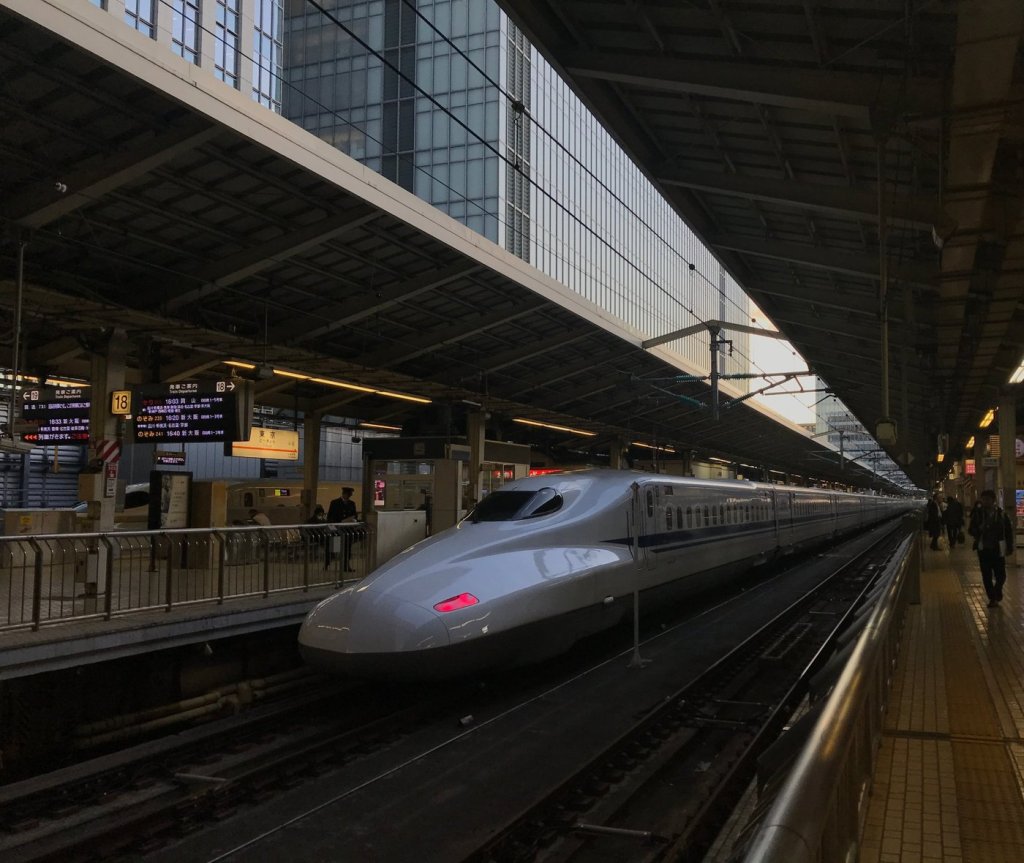
- Tokaido Shinkansen (Kyoto, Osaka, Hiroshima): platforms 14–19.
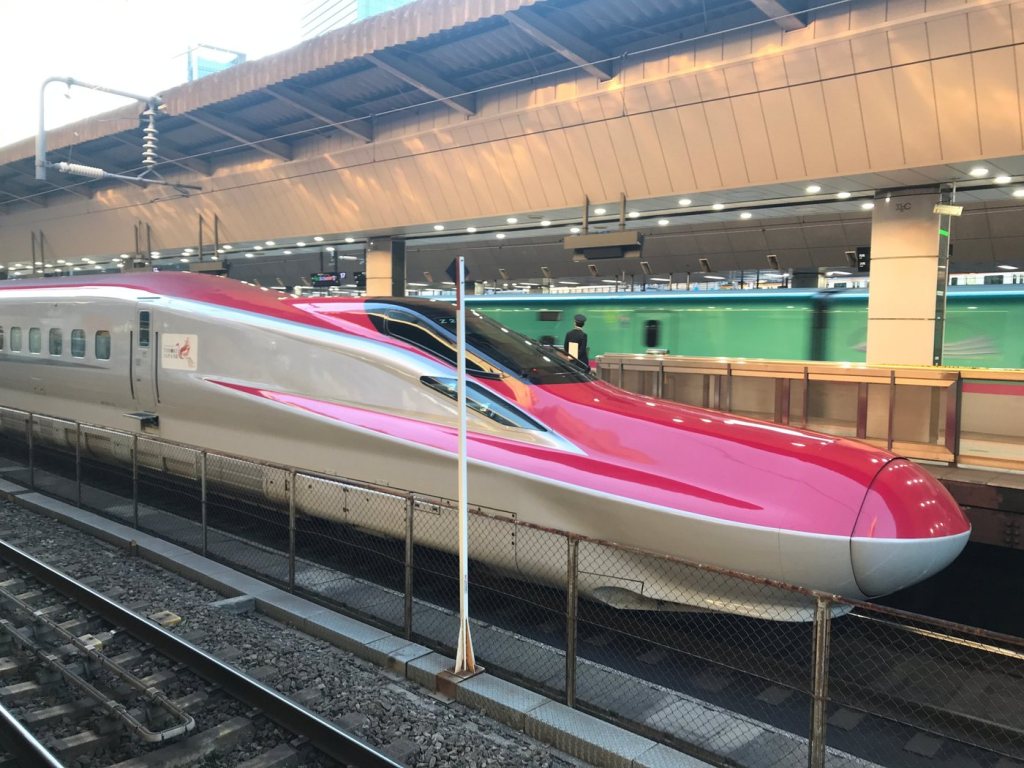
- Tohoku, Hokkaido, Hokuriku, Joetsu, Yamagata, and Akita Shinkansen: platforms 20–23.
- The two groups use separate transfer gates, so follow the signs for your line, not just “Shinkansen”.
- If it is your first time, allow 15–20 extra minutes for any transfer. The Keiyo Line to Tokyo Disney Resort is the longest walk — it can take up to about 20 minutes from the Shinkansen.
Which Shinkansen leaves from where
| Platforms | Lines | Main destinations |
|---|---|---|
| 14–19 | Tokaido and Sanyo Shinkansen | Nagoya, Kyoto, Shin-Osaka, Hiroshima, Hakata |
| 20–23 | Tohoku, Hokkaido, Yamagata, Akita, Joetsu, and Hokuriku Shinkansen | Sendai, Shin-Aomori, Akita, Yamagata, Niigata, Nagano, Kanazawa |
Follow the colors
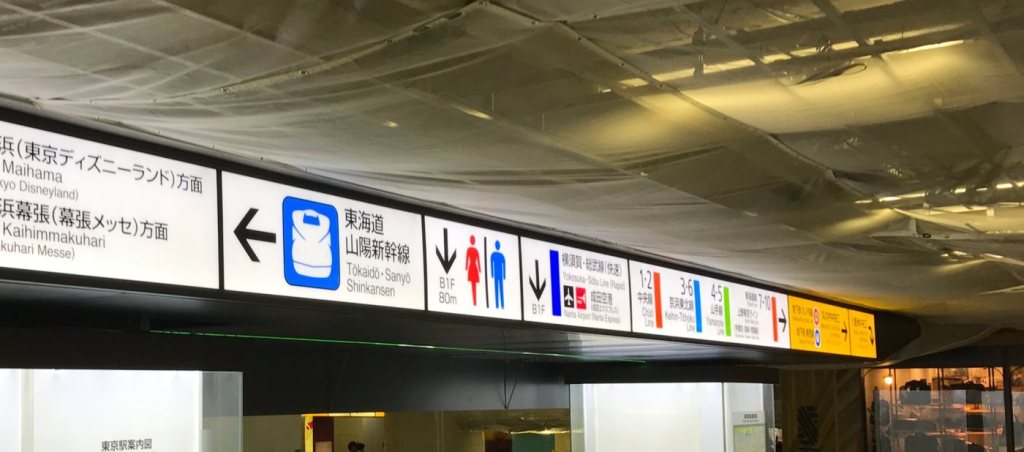
Signs inside Tokyo Station are in Japanese and English, and every JR line has its own color. The Shinkansen use a blue train icon. For local lines, look for these colors: Yamanote Line in yellow-green, Chuo Line in orange, Keihin-Tohoku Line in light blue, Yokosuka and Sobu Rapid Lines in blue (this is also where the Narita Express to Narita Airport departs, from underground platforms), and the Keiyo Line in red.
Transfer tips
- Shinkansen to a local JR line: go through the Shinkansen transfer gate inside the station rather than leaving through a main exit.
- To Narita Airport: follow the blue Yokosuka/Sobu Line signs down to the underground platforms for the Narita Express.
- To Tokyo Disney Resort: follow the red Keiyo Line signs. The platforms are far from the rest of the station, so leave plenty of time.
- Meeting someone? Agree on a specific exit, such as Marunouchi Central or Yaesu North. “Meet at Tokyo Station” is not specific enough.
Don’t miss the Marunouchi building
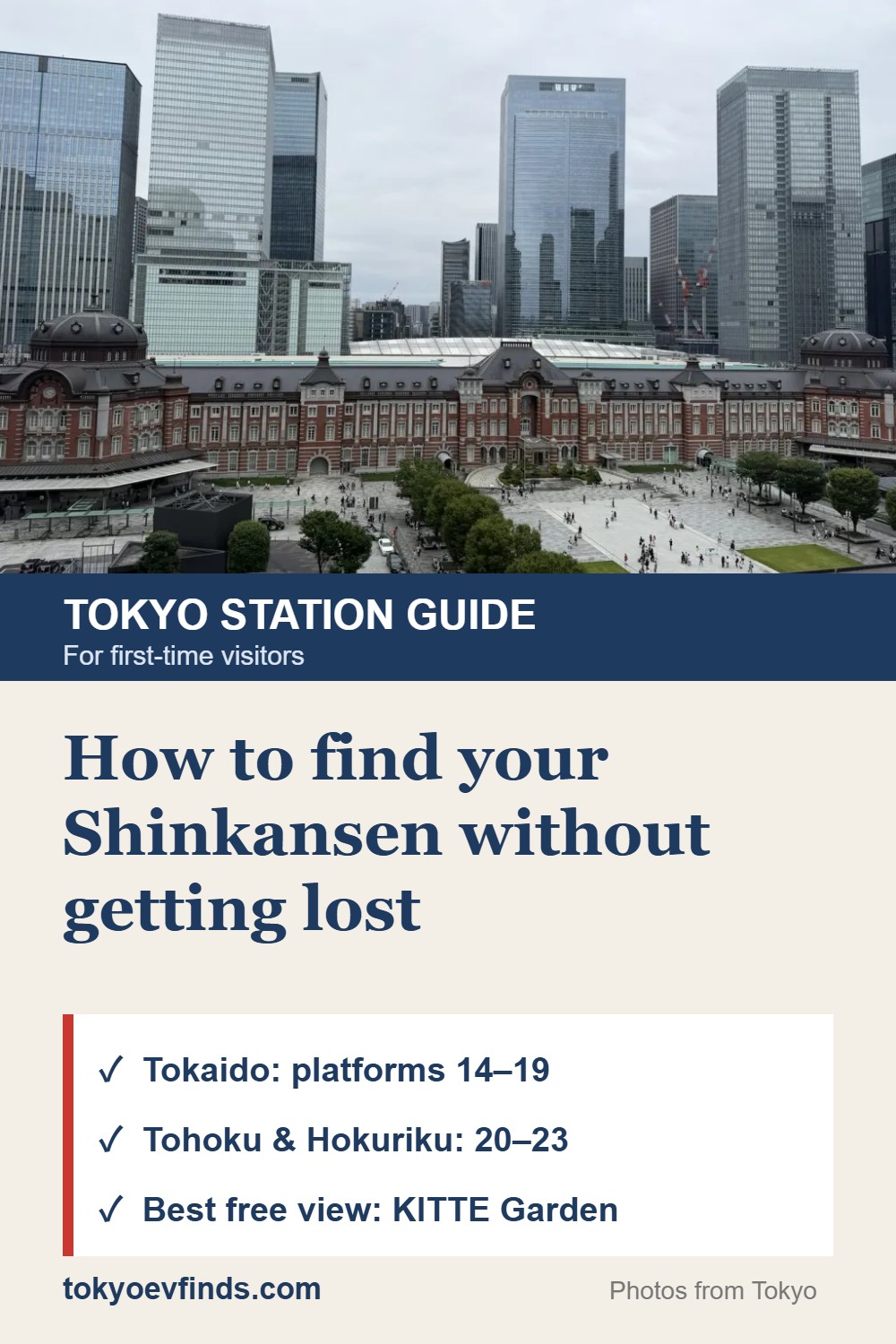
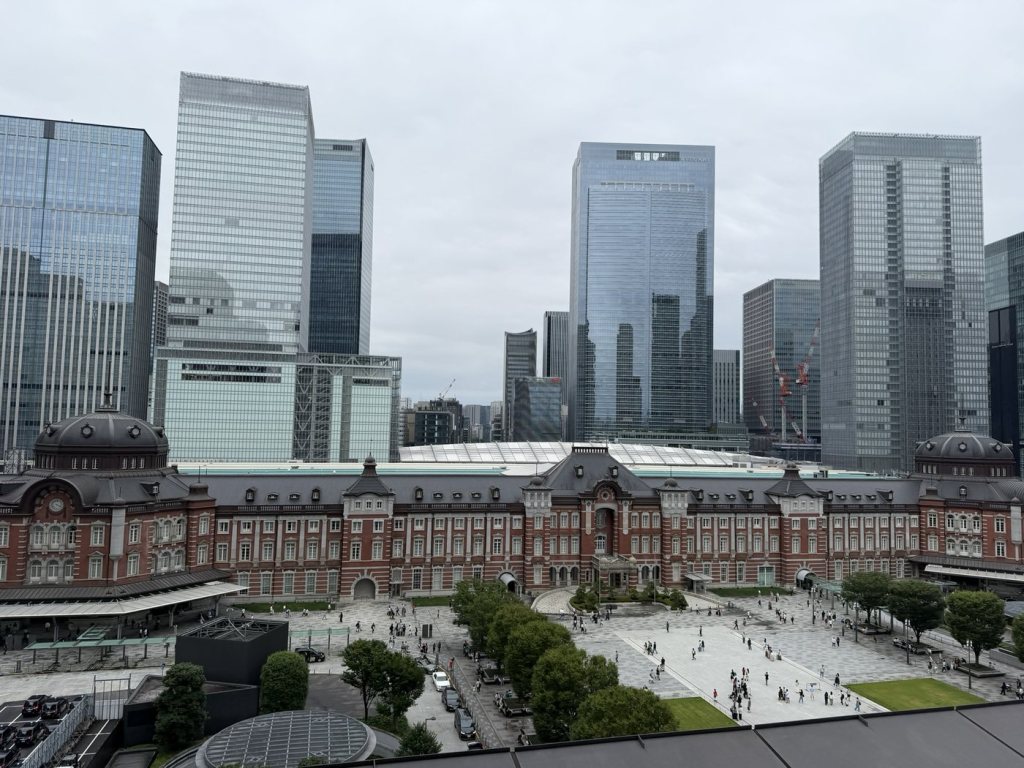
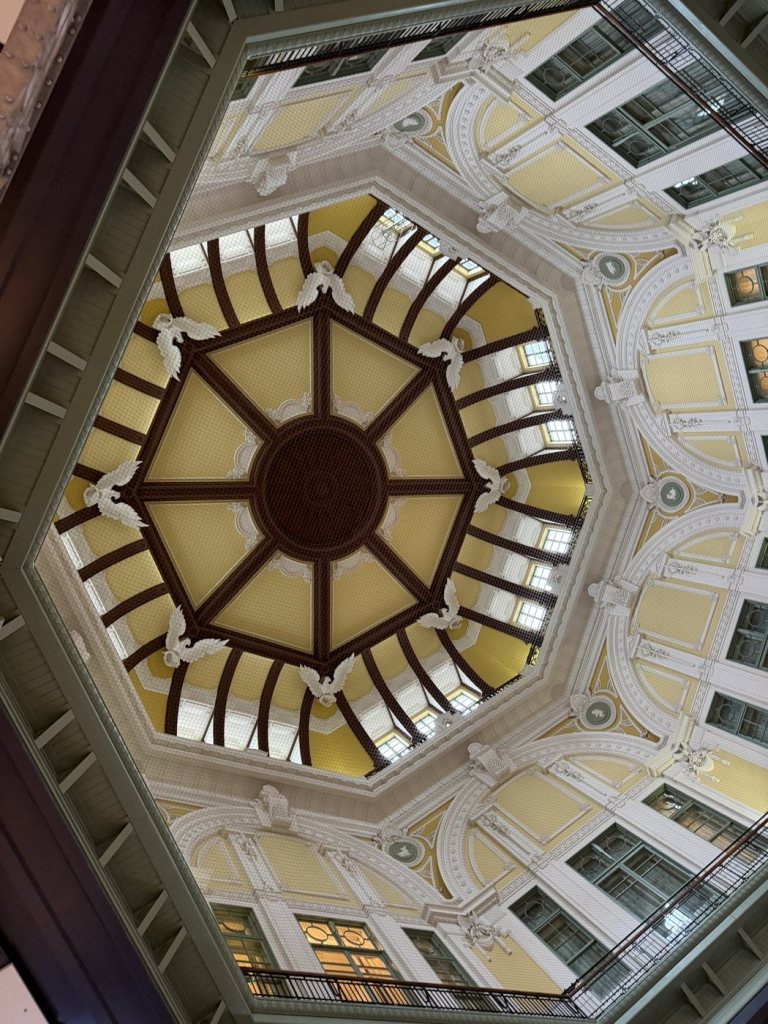
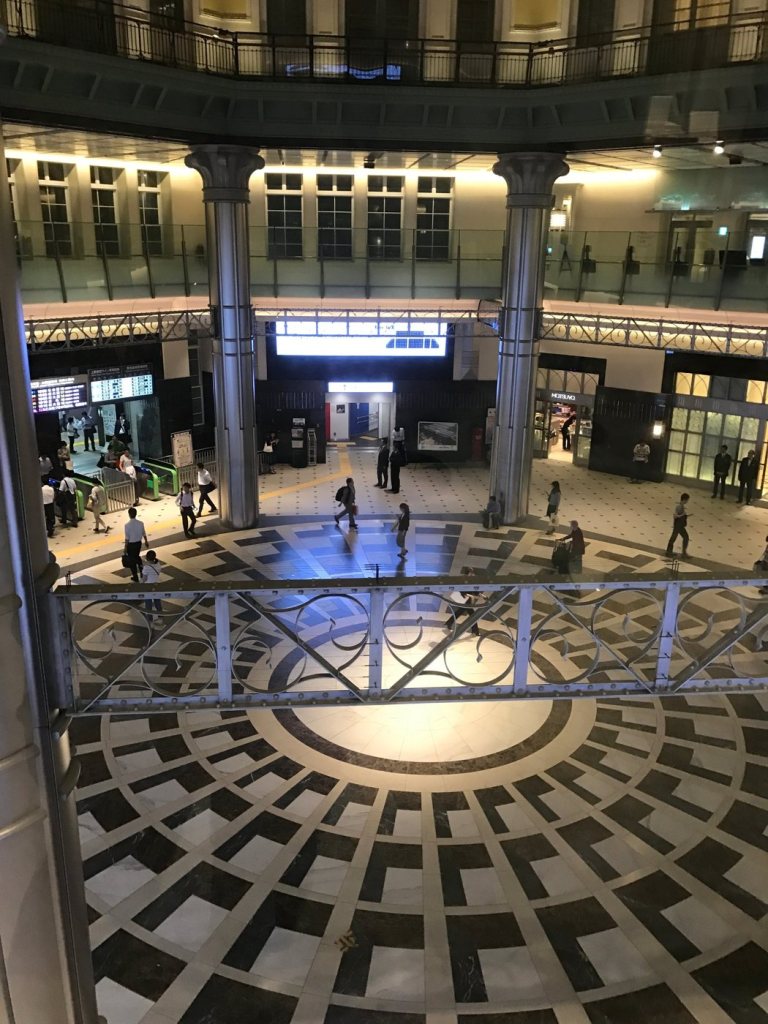
The red-brick Marunouchi building opened in 1914 and was restored to its original design in 2012. It is designated an Important Cultural Property. Its two domes sit above the Marunouchi North and South exits — when you pass through, look up.
The best free view of the station
For the classic view of the whole red-brick building, go to KITTE Garden, the rooftop garden on the 6th floor of the KITTE building, right across from the Marunouchi South Exit. Entry is free, and you can watch Shinkansen and local trains come and go behind the station. It is especially good in the early evening when the building is lit up. Opening hours vary and it can close in bad weather, so check KITTE’s website before you go.
KITTE also has a tourist information center in the basement, which is useful if you need help with tickets or directions.
A short walk: Gyoko-dori to the Imperial Palace
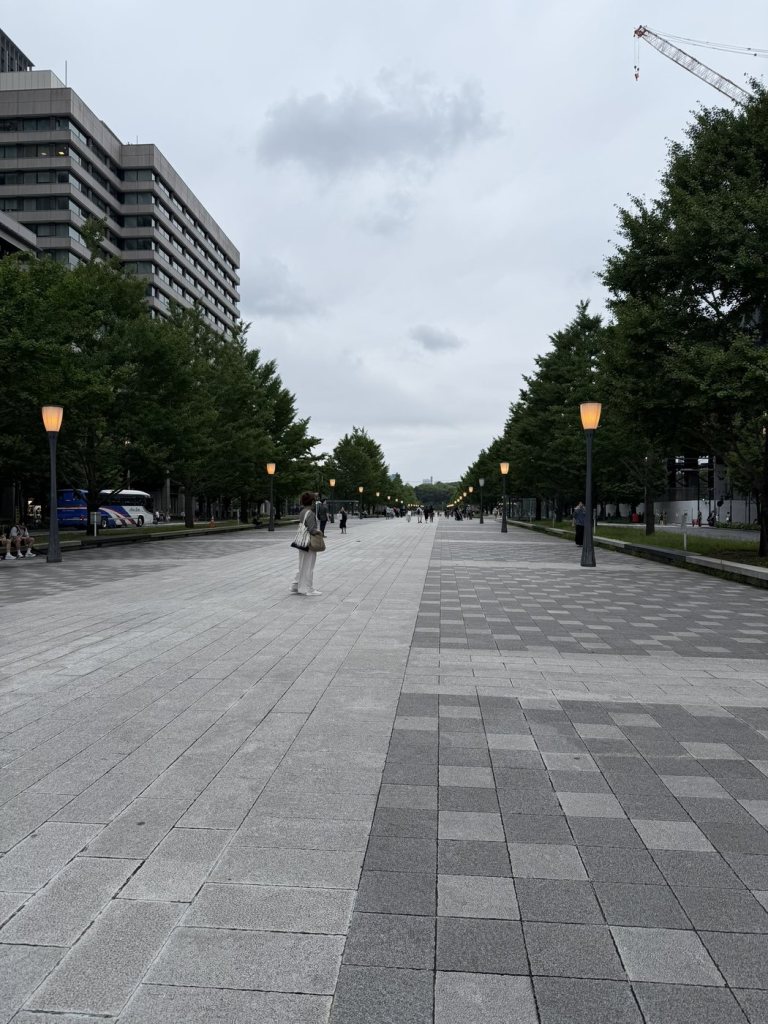
From the Marunouchi Central Exit, the wide, tree-lined avenue called Gyoko-dori leads straight toward the Imperial Palace grounds. If you have an hour before your train, it is the easiest way to see a calmer side of central Tokyo.
Before you go
- Book your Shinkansen ahead if you are traveling on a weekend or holiday. Compare Shinkansen tickets on Klook.
- Thinking about a Japan Rail Pass? Read JR Pass Prices After October 1, 2026 first — it is now cheaper on the official website.
- Have mobile data ready — maps help a lot inside a station this size. See how to choose an eSIM for Japan.


Leave a Reply